Introduction
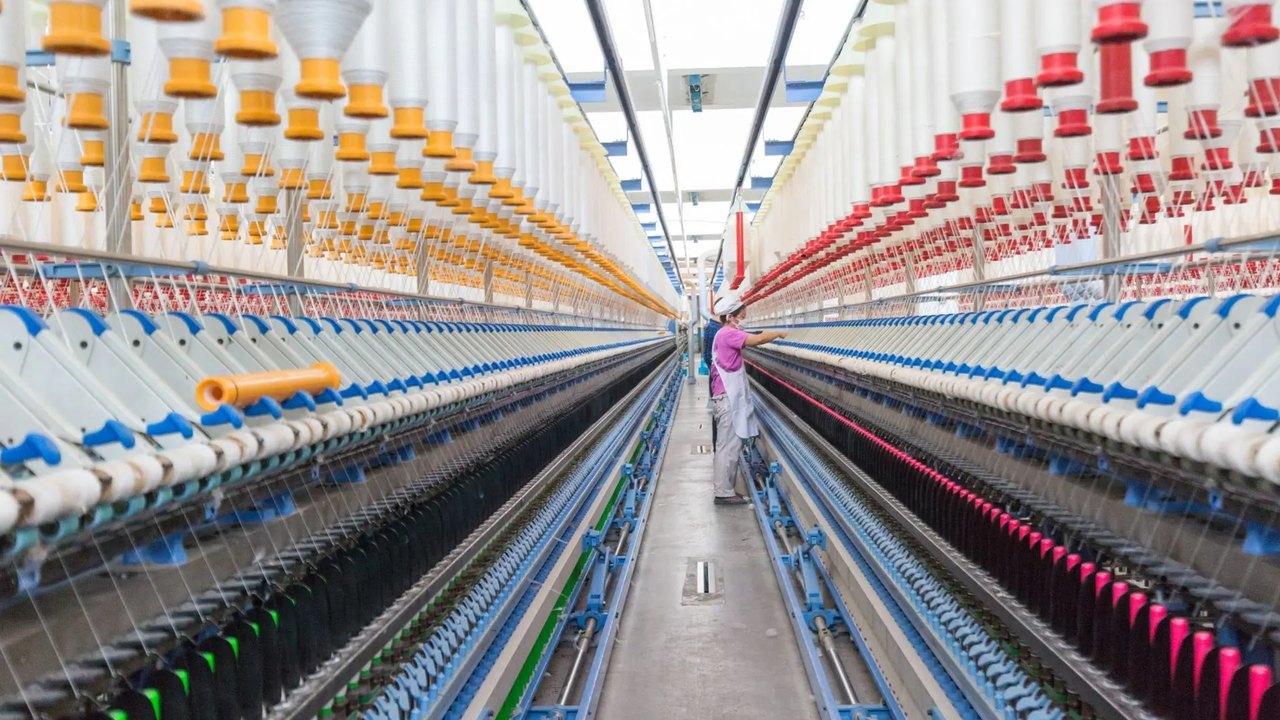
Textile manufacturing is a complex and intricate process, where even the slightest imperfections can have significant consequences on the final product quality. Textile defect detection plays a crucial role in ensuring the high standards demanded by today’s consumers. Defects can lead to significant financial losses, as flawed products may need to be reworked or discarded entirely. In addition, accurate and timely identification of textile defects and streamline with production process is essential. By proactively detecting and addressing defects, manufacturers can improve their production efficiency, reduce waste, and deliver high-quality products that meet customer expectations.
The Complexity of Textile Defects
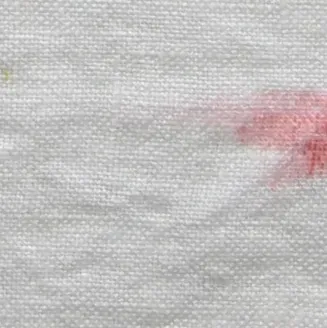
Textile products are inherently complex, with a wide range of potential defects that can occur during the manufacturing process. These defects can be caused by a variety of factors, such as machine malfunctions, human error, or the inherent variability of raw materials. Some common textile defects include holes, stains, foreign yarn, and knots, among others. Table 1 provides examples of nine common types of textile defects.
Examples of textile defects
Stain — any kind of spot, dust, dirt or oil mark.
Hole — a hole in the fabric.
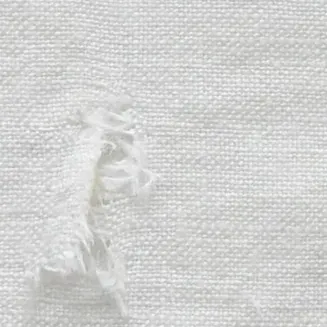
Knot — very small, tightly gathered thread and fibre.

Broken ends — appear when warp yarns break during weaving.

Broken yarn — a yarn with a break in the fabric.
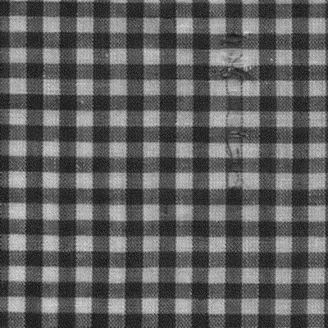
Netting — multiple defects caused when several broken threads combine.
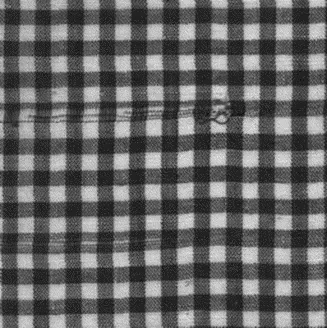
Foreign yarn — yarn inserted into the fabric by flying dust or another route.
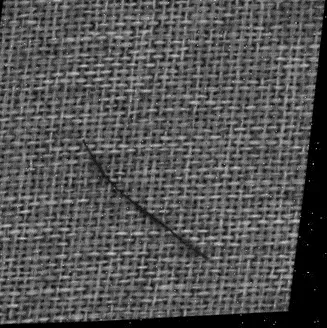
Thick yarn — one thread noticeably thicker than the others.
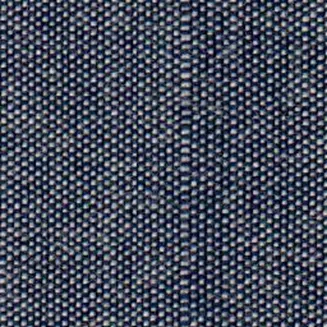
Thin yarn — one thread noticeably thinner than the others.
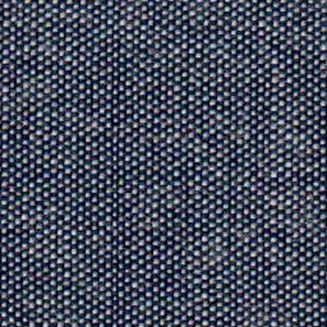
Computer Vision Solution
Identifying and addressing these diverse defects requires a thorough understanding of the production process and the ability to detect and classify a wide range of anomalies quickly. Computer vision and deep learning can help, for example with a modern real-time object detection and segmentation model.
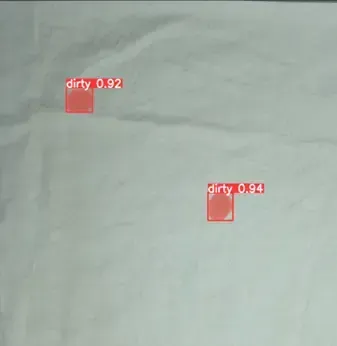
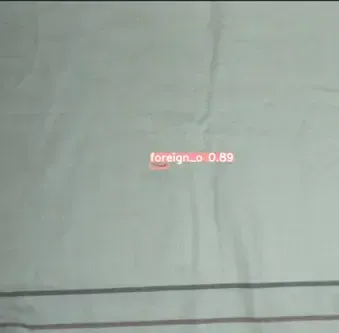
Such a model identifies and classifies objects with a single neural network that predicts results directly, without sliding windows. Its benefits for textile inspection include real-time performance, precise defect localisation, classification across many defect types and straightforward integration into existing manufacturing systems. Fine-tuned on annotated textile images, it detects and classifies the defect types.
- A pre-trained backbone extracts visual features, and a segmentation head predicts boxes, class labels and masks. Only the later layers are fine-tuned on the custom dataset, so the model learns the visual characteristics of each defect and outputs a detailed segmentation map for counting, instance segmentation and scene understanding.
Below is an experimental result showing original textile images alongside segmentation masks highlighting holes, stains and foreign yarn.
Real defect showcases
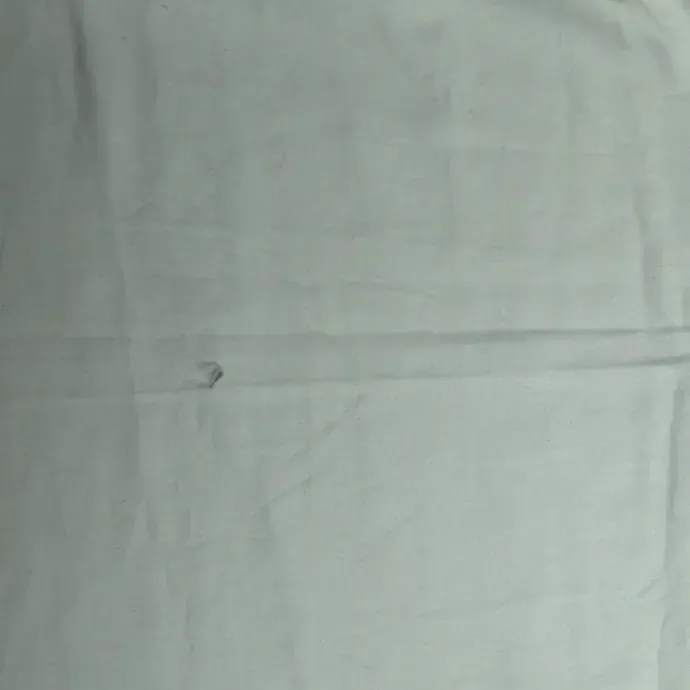
Hole defect
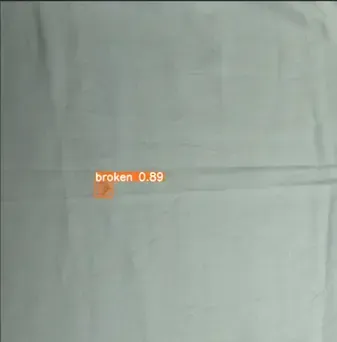
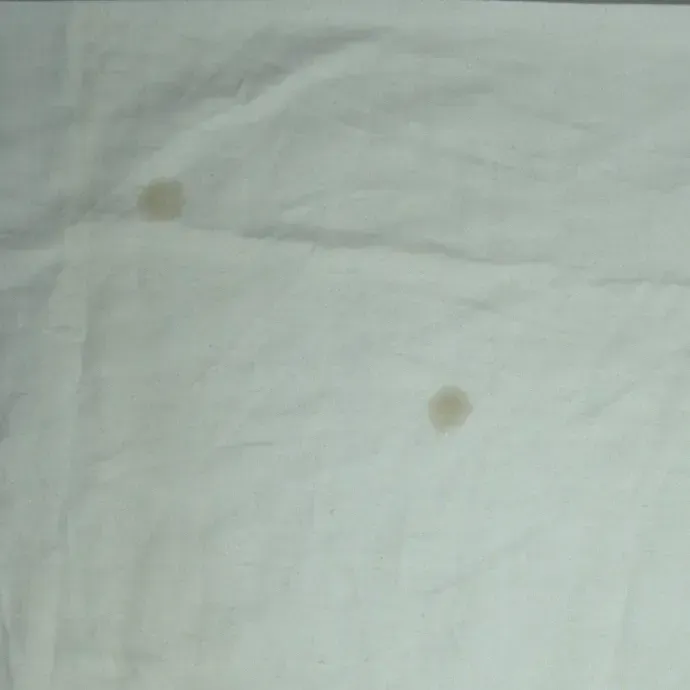
Stain defect
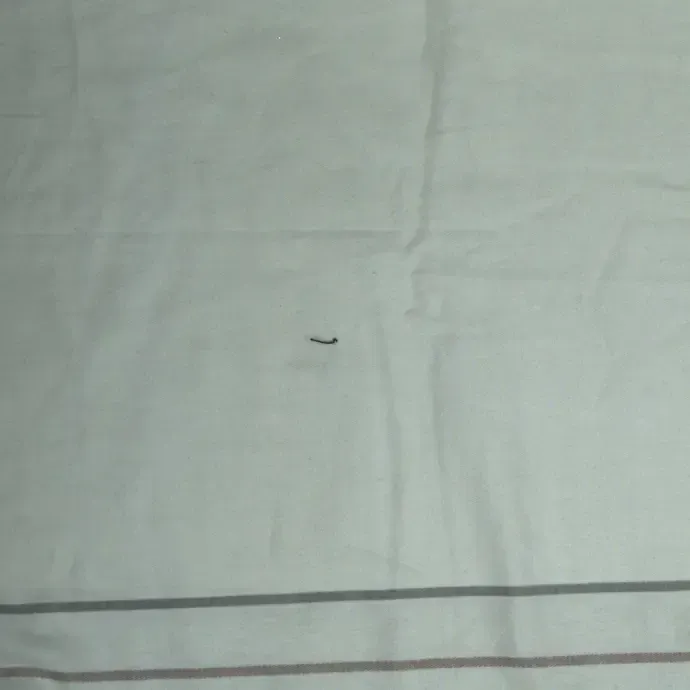
Foreign yarn defect
By leveraging the power of computer vision, manufacturers can automate the defect detection process, improving accuracy, consistency, and speed compared to manual inspection methods. This can lead to significant cost savings, reduced waste, and enhanced product quality.
Conclusion
Textile defect detection is a critical part of manufacturing and ensures products meet customer expectations. The variety of defects, and the need to identify them quickly and accurately, make it challenging. Modern computer vision models, trained to recognise a wide range of textile defects with real-time performance and accurate localisation, are powerful tools for automating textile inspection. Integrating them into production helps companies improve efficiency, reduce cost and protect product quality.
Reference
Shakir, S., Topal, C. Unsupervised fabric defect detection with local spectra refinement (LSR). Neural Computing & Applications (2023).